What is Phosphoric Acid?
Phosphoric acid (H₃PO₄) is one of the most widely used chemicals in various industries. The most common form is orthophosphoric acid. About 80% of produced phosphoric acid is used in agriculture, 10% as additives in cleaners, pesticides, and animal feed, and the remaining 10% is food-grade (carbonated beverages).
The price of food-grade phosphoric acid depends on factors such as the dollar exchange rate, purity percentage, manufacturer brand, quality, and seller margin. For the latest price, contact our sales experts.
Bulk Sale of 85% Phosphoric Acid
One of the main concerns in the chemical industry is purchasing food-grade phosphoric acid from a reliable and experienced supplier. Petro Alton Tajhiz, with over 10 years of professional experience, provides expert consultation for bulk purchases of phosphoric acid and other chemical products.
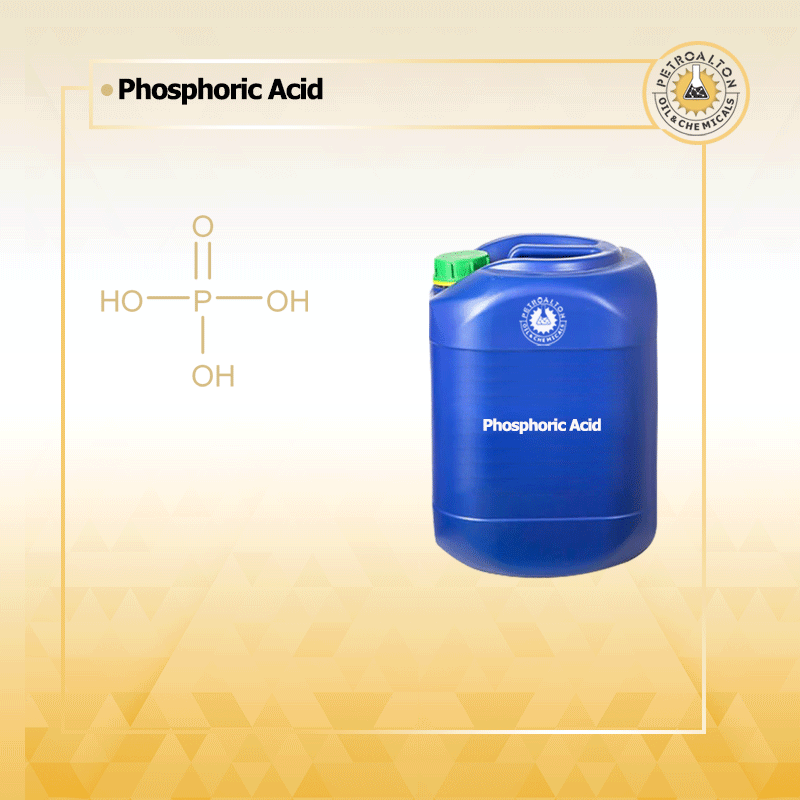
Molecular Structure
[Include molecular diagram here]
Appearance, Color, and Odor
Phosphoric acid is a colorless, transparent, odorless liquid with a sharp taste. It is used as an additive in carbonated beverages, chemical fertilizers, water treatment, soap and non-soap cleaners, animal feed, pharmaceuticals, dietary supplements (production of DCP and MCP), phosphate-based detergents, wastewater treatment, phosphate fertilizers, fire retardants, and surface cleaning of metals.
Other Names for Phosphoric Acid
- Inorganic acid
- Mineral acid
- Phosphoric acid
Physical and Chemical Properties
- Non-toxic
- Non-volatile
- Non-flammable
- Soluble in water
- Mildly corrosive
Industrial Applications
Food Industry
- pH regulator in jams, cereal bars, processed meat, gelatin, yeast, dairy products, spices, pickles, and canned foods
- Production of carbonated drinks and beverages
- Preservative and flavor enhancer
- Baking powder production
Fertilizers and Agriculture
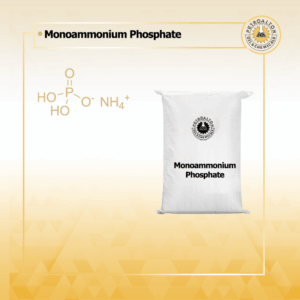
- Phosphate fertilizer industry: monoammonium phosphate, diammonium phosphate, triple superphosphate, magnesium phosphate
- Agriculture: controlling fungi, improving plant growth, pH regulation, providing nutrients
Detergents and Rust Prevention
- Rust removal
- Mineral deposit removal
- Anti-corrosion agent for metals in aircraft, military machinery, ships, and vehicles
- Color and pigments
Cosmetics and Healthcare
- Pharmaceutical and medical applications
- Dentistry and veterinary uses
- Penicillin extraction
- Personal care products
Other Applications
- Livestock and poultry industry
- Chemical production
- Ethylene production and hydrogen peroxide purification
- Water and wastewater treatment
- Lead and copper scale prevention in drinking water pipes
- Metallurgical surface treatment
- Textile and leather industries
- Rubber synthesis and wax additives
- Water softening in detergents
- Petroleum refining and petrochemicals as a catalyst
- Chemical oxidizer for activated carbon production
- Electronics: computer screens, smartphones, LCD TVs
- Fire retardants and flame prevention
- High-performance liquid chromatography (HPLC) as a mobile phase component
Acidic Properties
Phosphoric acid is a mineral, weak, odorless, colorless, corrosive, non-toxic, and non-volatile acid, also known as orthophosphoric acid. At room temperature, pure phosphoric acid is solid. The 85% aqueous solution is commercially available. After sulfuric acid, phosphoric acid is the second most produced and consumed acid globally.
Production Methods
Wet Process (Aqueous Process)
Phosphoric acid is produced from phosphate rock by reaction with sulfuric acid. This process accounts for 80% of global phosphoric acid production. Steps include reaction, filtration, and concentration:
Reaction:
Ca₃(PO₄)₂ + 5H₂SO₄ → 3H₃PO₄ + 5CaSO₄ + H₂O
Purification may involve clarification, fluoride removal, heavy metal removal, solvent extraction, physical-chemical methods, membrane filtration, lead and arsenic removal, pyrolysis, and decolorization.
Thermal Process (Dry Process)
Phosphorus is burned in air at 1800–3000 K to form phosphorus pentoxide:
5O₂ + P₄(l) → 2P₂O₅(g)
Then P₂O₅ reacts with water:
P₂O₅(g) + 3H₂O(l) → 2H₃PO₄(l)
The thermal process produces higher purity phosphoric acid but is costly, mainly used for food-grade, pharmaceutical, and cleaner products.
Phosphoric Acid Extraction Using Solvents
Phosphate rock reacts with hydrochloric acid:
Ca₃(PO₄)₂ + 6HCl → 2H₃PO₄ + 3CaCl₂
Phosphoric Acid Types
- Industrial phosphoric acid: ~85% purity, used in wastewater treatment, textiles, Teflon production, electronics, etc.
- Food-grade phosphoric acid: High purity, used in food and cosmetic industries.
- Crude phosphoric acid: 55–85% purity, obtained from phosphate rock, further refined into industrial or food-grade acid.
Differences Between Industrial and Food-Grade Phosphoric Acid
- Purity: Food-grade ≥85% for consumption; industrial can be lower.
- Price: Higher purity → higher price. Industrial acid is cheaper.
Global Role
Phosphoric acid is second only to sulfuric acid in worldwide consumption, mainly used in agriculture and phosphate fertilizers to enhance plant growth and crop yield.
Hazards and Safety (MSDS)
- Flammable with alkalis
- Skin, eye, and body contact: rinse with plenty of water
- Inhalation: move to fresh air; seek medical attention if severe
- Ingestion: rinse mouth and go to hospital
- Use appropriate clothing, gloves, and eye protection
Storage and Packaging
- Store in a dry, ventilated area, away from sunlight
- Keep containers tightly closed
- Use multi-layer plastic or stainless steel containers
- Packaging: 35 kg drums or 1600 kg tanks
Key Applications of Industrial Phosphoric Acid
- Agriculture and animal husbandry: Phosphate fertilizers for plant growth (>90% purity)
- Rust removal: Clean corroded metal surfaces
- Food industry: pH regulator in beverages, dairy, and flavored drinks
- Dairy: Extend shelf life and maintain pH in cheese
- Detergents: Reduce water hardness and prevent calcium/magnesium ions formation
- Water and wastewater treatment
- Animal feed supplements
- Electrolytes for fuel cells
- pH adjustment in cleaners
Important Points for Sellers
- Provide high-quality product
- Safe shipment
- Proper packaging and labeling
- Customer-oriented service
- Timely delivery
- Product analysis certificates
Key Considerations for Buyers
- Verify seller credibility
- Inspect packaging
- Request sample for quality check
- Confirm purity
- Safety labeling