What is Caustic Soda (Sodium Hydroxide)?
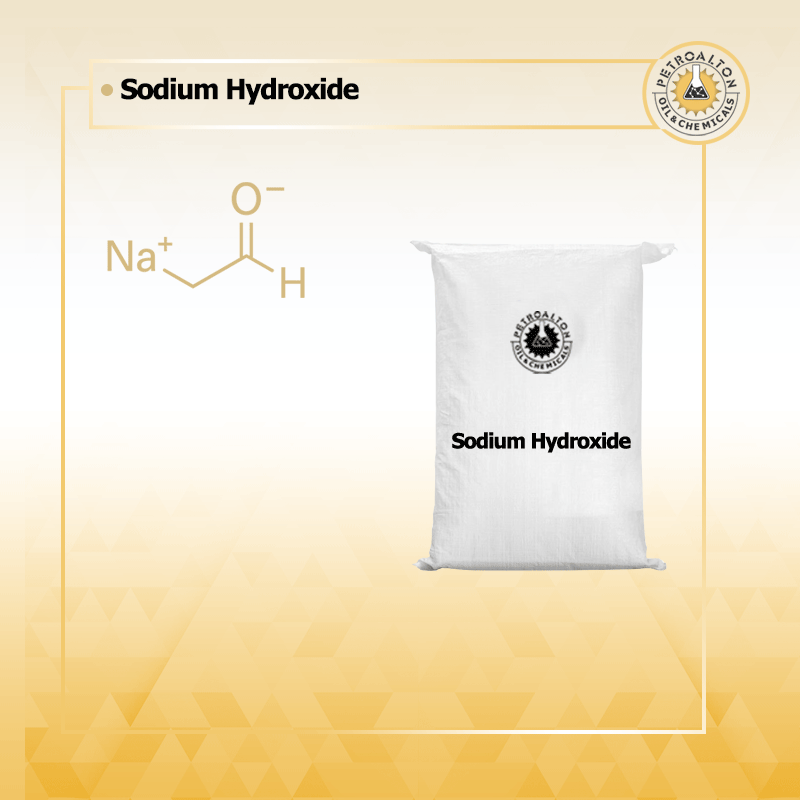
Caustic soda flakes are a highly strong, odorless alkali in the form of white crystalline solids. Chemically, it consists of sodium, oxygen, and hydrogen. This compound is hygroscopic (absorbs moisture from the air). Sodium hydroxide is widely used in the production of soap, paper, explosives, dyes, petroleum products, as well as in cotton and metal processing, cleaning and bleaching, oxide coatings, and electroplating.
Other Names for Sodium Hydroxide:
Synonyms include: Caustic soda, Sodium hydroxide, Caustic soda flakes, Sodium hydrate, Lye.
Physical Appearance:
Sodium hydroxide is produced in both liquid and solid forms and is a major export chemical with high foreign currency revenue. Solid caustic soda characteristics:
- Crystalline
- Non-volatile
- Transparent
- White
- Odorless
- Highly corrosive
- Toxic
Additional Properties:
Sodium hydroxide dissolves rapidly in water, forming highly exothermic solutions. It is highly hygroscopic, so appropriate safety equipment must be used when handling.
Applications in Various Industries:
- Paper and Pulp Industry:
The primary application of caustic soda is in the pulp and paper industry. Processes such as pulping, bleaching, water treatment, and deinking recycled paper require sodium hydroxide. It increases the pH in fiber fermentation, separates cellulose fibers from lignin, decomposes wood, and smoothens and polishes paper fibers. Processed cellulose is also used to produce viscose, which in turn is used in synthetic fibers such as rayon and silk. - Textile and Dyeing:
Used in dyeing synthetic fibers like polyester and nylon, and in cotton processing. - Leather Industry:
Sodium hydroxide, along with sodium sulfide, is used in tanning. It penetrates the skin, loosening hair follicles to remove wool and hair from hides. - Glass Industry:
Sodium hydroxide ash is used in glass, phosphate, and silicate production. - Soap and Detergent Production:
Caustic soda is essential for converting fats, vegetable oils, and foundations into soap and detergent products. - Bleaching and Degreasing:
Caustic soda-based bleach is widely used to remove grease, control mold and fungi, and for surface cleaning. - Household Cleaning:
Used for cleaning sinks, kitchen filters, and pipes. Proper safety gear, including gloves, goggles, and masks, is essential. - Water and Wastewater Treatment:
Sodium hydroxide is used to produce sodium hypochlorite (bleach) and to control water pH, remove heavy metals, and disinfect water in treatment plants. - Food Industry:
Used in the production of salt solutions for pickling, preparing bread crumbs, processing olives, peeling fruits and vegetables, and in the production of sugar, chocolate, caramel, pasta, and packaging. - Pharmaceutical Industry:
Used in producing drugs such as aspirin, painkillers, and anticoagulants. - Aluminum Extraction and Electroplating:
Used in aluminum electroplating, bauxite processing, and alumina production. - Chemical Industry:
Sodium hydroxide is a precursor for plastics, coatings, adhesives, solvents, dyes, inks, and herbicides. - Petrochemical and Refining:
Used in oil exploration, refining, and natural gas processing. - Renewable Energy:
Used in fuel cell production, epoxy resin for wind turbines, sodium methylate production, and biodiesel/bioethanol pH regulation.
Other Industries:
- Ceramics
- Cosmetics
- Alcohol production
- Rubber recycling
- Drilling
- Carton manufacturing
- Automotive
- Battery acid neutralization
- Fuel and oil tank cleaning
- Laboratory acid titration
Production of Caustic Soda:
Historically, produced in ancient Egypt using sodium carbonate and lime. Modern industrial production uses the chlor-alkali process, electrolyzing sodium chloride solution with membrane, diaphragm, or mercury cells to produce NaOH, chlorine, and hydrogen:
2 NaCl + 2 H2O → Cl2 + H2 + 2 NaOH
The membrane cell process is currently preferred for economic and environmental advantages. The key difference between methods is separating anolyte and catholyte streams to prevent mixing.
Types of Sodium Hydroxide:
Produced in liquid and solid forms. Solid forms include flakes, powder, and granules. Granules have higher purity and are used in sensitive industries like pharmaceuticals.
Difference Between Caustic Soda Flakes and Liquid Sodium Hydroxide:
- Liquid NaOH: 55% purity
- Caustic soda flakes: 98% purity
Safety Considerations:
Highly corrosive. Can cause severe burns to skin and eyes. Immediate rinsing with water is necessary in case of contact. Personnel must know the location of eyewash stations and safety showers.
Manufacturers in Iran and Worldwide:
Major producers include China, Germany, and Saudi Arabia. In Iran: Bandar Imam Petrochemical, Cloran, Niro Chlor, Chloro Pars, Petro Gohar, etc. Bandar Imam Petrochemical and Cloran are the most reputable.
Purchasing Caustic Soda from Bandar Imam:
Contact PetroAlton experts at 021-59236 for purchases.
Price Determinants in Iran:
Price depends on product volume, purity, exchange rates, and manufacturer.
Buying and Selling 98% Caustic Soda in Iran:
Available through reputable chemical trading companies like PetroAlton Tajhiz, with guaranteed bulk supply.