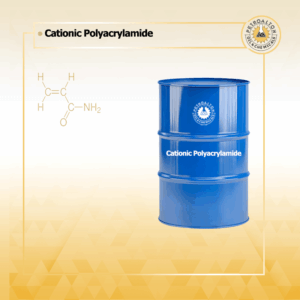
Chemical Properties of Anionic Polyacrylamide
Anionic polyacrylamide is a synthetic polymer with unique chemical and physical properties:
- Water Solubility: Highly soluble, making it suitable for industrial applications.
- Chemical Stability: Resistant to temperature and pH changes, allowing use under harsh conditions.
- Gel Formation: Can form strong gels when combined with water, useful in various industries.
- Adsorption Ability: High affinity for suspended particles, making it effective for water treatment.
Factors Affecting Price
The price of anionic polyacrylamide depends on:
- Product volume
- Purity percentage
- Exchange rates
- Manufacturer
Applications of Anionic Polyacrylamide
- Water Treatment: Acts as a flocculant to remove suspended solids in industrial and municipal water.
- Paper Industry: Serves as a retention aid and thickening agent during paper production.
- Oil & Gas Industry: Enhances oil recovery efficiency in extraction processes.
- Food Industry: Functions as a thickener in certain food processes.
Using anionic polyacrylamide improves product quality, reduces operational costs, and enhances process efficiency.
Optimization of Production
Efficient production requires careful control over:
- Temperature and Pressure: Ensures consistent polymer quality.
- Catalyst Selection: Increases reaction speed and reduces production costs.
- Raw Material Ratios: Accurate ratios prevent low-quality polymer formation.
PetroAlton provides specialized consulting to help optimize production processes.
Safety and Storage Guidelines
- Personal Protective Equipment (PPE): Gloves, goggles, and respiratory masks are essential.
- Storage Conditions: Maintain controlled temperature and humidity to prevent degradation.
- Staff Training: Employees should be trained in safe handling practices.
Benefits in Various Industries
- Cost Reduction: Efficient flocculation and processing lowers operational expenses.
- Product Quality Improvement: Enhances final product quality, increasing customer satisfaction.
- Process Efficiency: Improves industrial processes and reduces production time.
PetroAlton ensures high-quality anionic polyacrylamide supply, allowing customers to maximize these benefits.
Sustainability and Environmental Compatibility
Anionic polyacrylamide is environmentally compatible and biodegradable, making it ideal for sustainable industrial processes. Proper testing, handling, and storage ensure maximum performance and safety.
Conclusion:
Anionic polyacrylamide is a versatile synthetic polymer with high water solubility, chemical stability, and gel-forming capability. Its applications in water treatment, paper production, oil recovery, and food processing make it an essential material for modern industries. By following safety protocols and optimizing production, companies can leverage its benefits to improve quality, reduce costs, and enhance overall industrial efficiency.